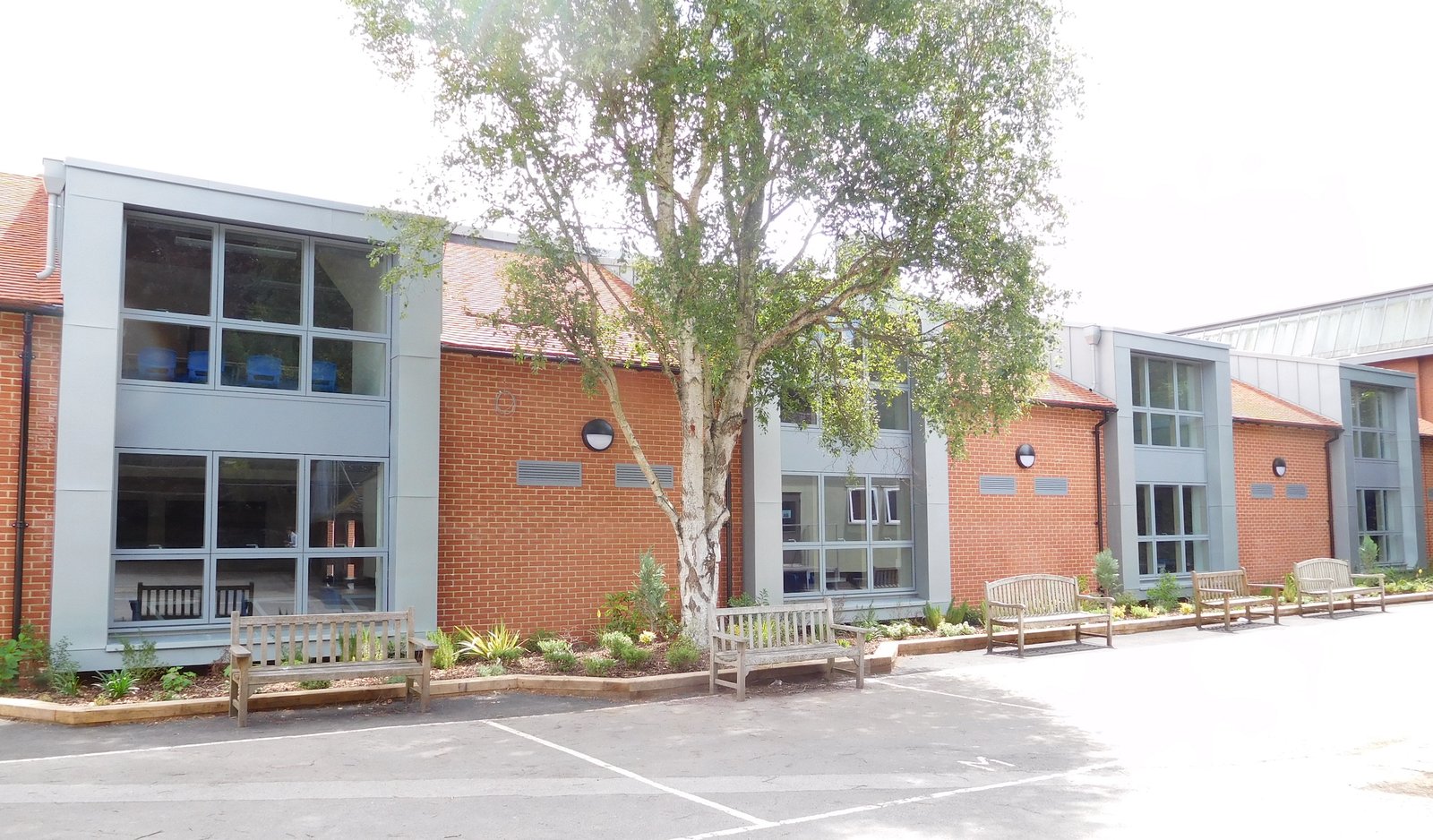
Bishop Wordsworth’s School
The Bishop’s School, as it was then called, opened on its current site on the 16th April 1890 with 45 boys. Girls were welcomed in 1902 and the school was coeducational until 1927. We now have around 1000 pupils across the school, about 300 of whom are in the Sixth Form.
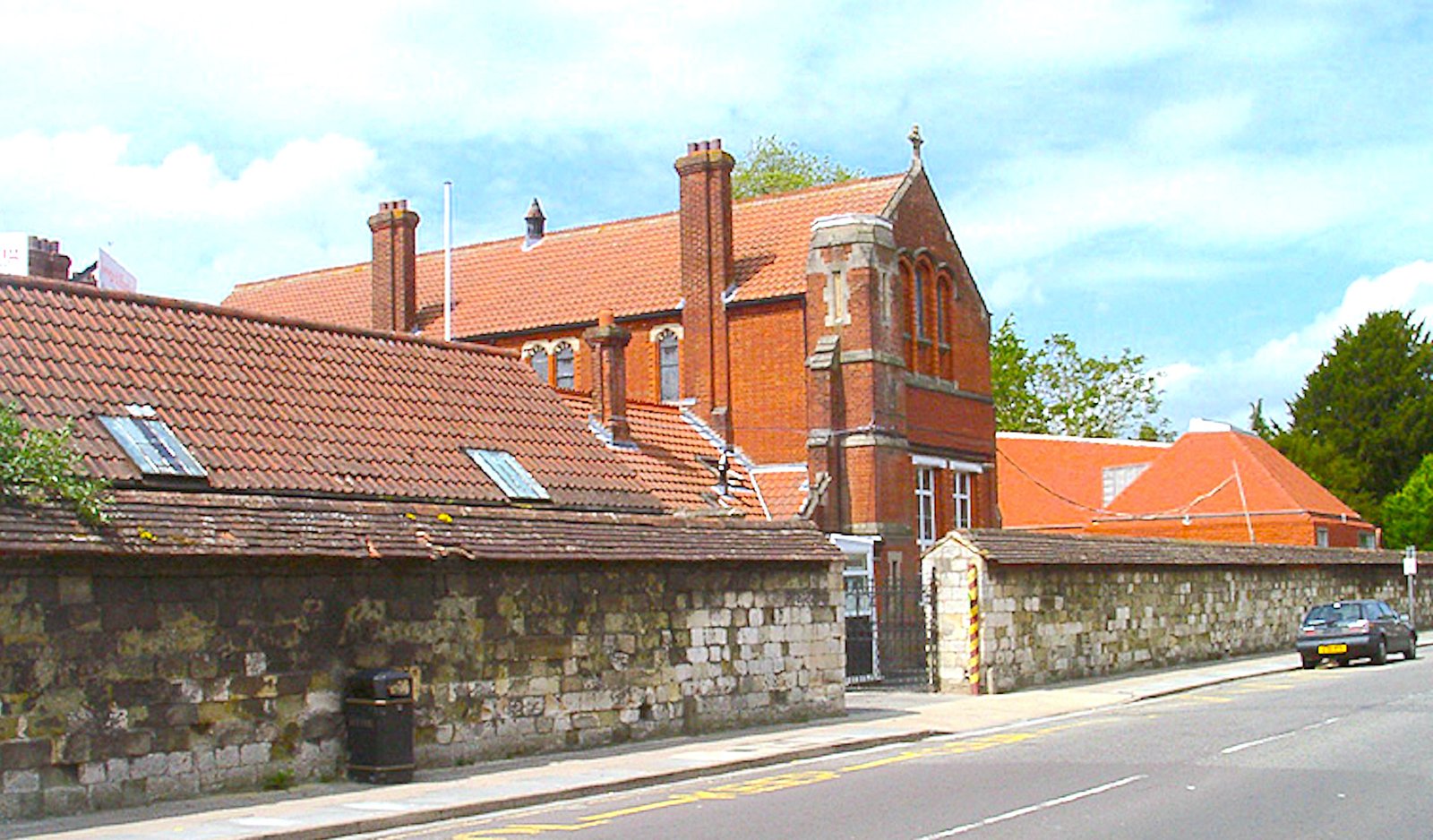
Bishop Wordsworth’s is a selective Church of England academy for boys aged between 11-18 and is situated close to Salisbury Cathedral. Two thirds of the 911 boys on roll come from the Salisbury area with the remainder coming from other parts of South Wiltshire and West Hampshire. A number of sixth form courses are shared with South Wilts Grammar School. The majority of students are of White British heritage. Numbers of students with special educational needs, speaking English as an additional language or for whom the school receives additional funding known as ‘pupil premium’ are far below national averages.
The legacy of Bishop John Wordsworth and our heritage and traditions are something we are very proud of. The marriage of old and new, historical roots and innovative development makes for a unique educational experience for every one of our students.
With our privileged location within the Close and monthly school services in the splendour of the Cathedral, lasting memories are created for current and former students alike.
Students joining in Year 7 come from over 45 different schools covering a wide area. Their attainment on entry is well above average. The proportion of students with learning difficulties or disabilities is much lower than in schools nationally. There are few students from minority ethnic backgrounds. Very few students are eligible for free school meals. Most students continue into the school’s sixth form and around 30 new students join in Year 12. The sixth form is very large. Since 1998 a significant proportion of sixth form courses have been run collaboratively with the nearest grammar school for girls. Bishop Wordsworth’s became Voluntary Aided in 1999 and was granted specialist status in languages in 2004.
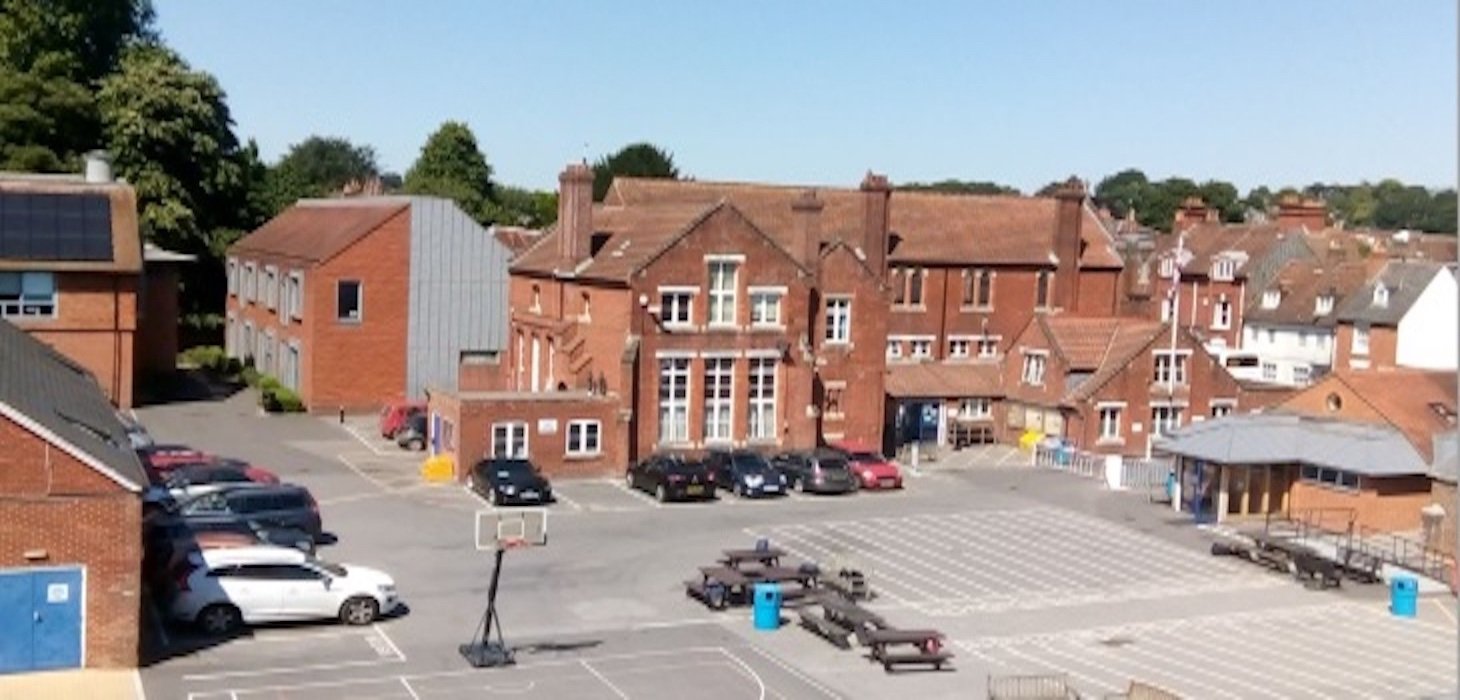
The School places great emphasis on ensuring that pupils achieve the highest academic standards of which they are capable, whilst encouraging them to develop their social, cultural and recreational skills and interests at the same time. This means that the school adopt a firm but caring approach to all aspects of School life. Staff endeavour to work closely with parents in ensuring that boys spend their time at School profitably but happily.
The Lower School Office is the focus of life for the boys in their first two years. In addition to handling all of the routine (but very important) day-to-day pastoral issues, the Lower School Office also monitors the academic progress of the boys through the analysis of report data. The office staff receive information from all aspects of the boys’ schooling, including rewards and sanctions, so that they can both support and challenge boys to do their best.
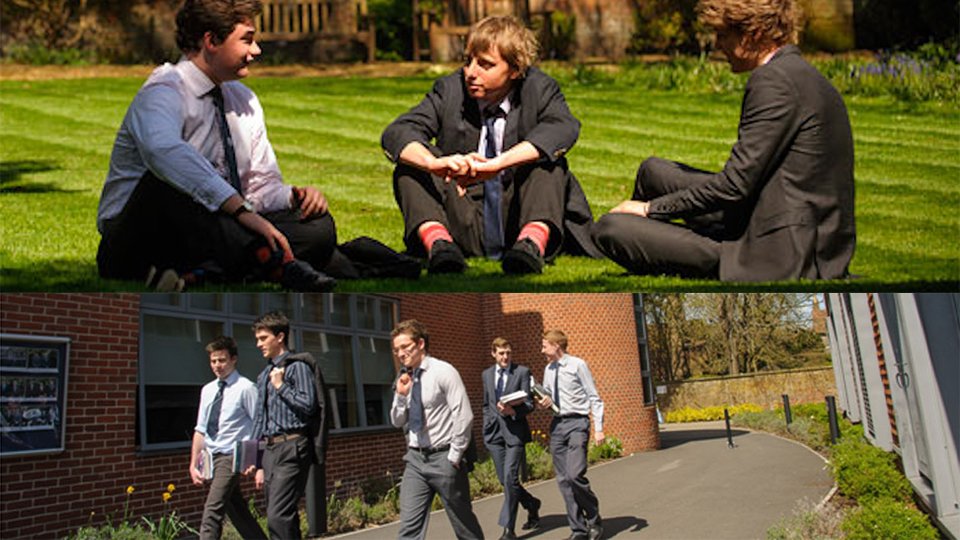
In the Middle School this policy is carried out by working closely with pupils and parents on academic, pastoral and career matters and by trying to equip them with a good range of qualifications and skills by the end of Year 11 – whether they go on to enter the Sixth Form or leave school at this stage.
The team of Middle School Tutors are responsible for the progress and welfare of the boys in the middle school year groups, with academic matters regularly monitored closely through report and other data. The Middle School Office staff also handle many work-related concerns, for example issues which arise through coursework and controlled assessment, organisation and prioritisation and study skills.
The Middle School Office organises the options procedure each year, through which Year 9 boys make their choices for the Key Stage 4 courses. This includes an Options Evening for parents in the Spring Term where, in addition to academic matters, careers related advice and guidance will be given by our independent Careers Consultant.
Bishop Wordsworth’s School
[su_tabs style=”default” active=”1″ vertical=”no” mobile=”stack” class=””]
[su_tab title=”CURRICULUM” disabled=”no” anchor=”” url=”” target=”blank” class=””]
Curriculum Overview
The quality of the curriculum is outstanding and leads to exceptionally high standards and achievement. Students are offered a large number of GCSE and A-level courses that suit their aptitudes and needs very well. Modern foreign languages are promoted well and many students take advantage of the opportunity to study two languages. Additional enrichment languages such as Mandarin are well attended. There is very low demand for vocational courses but the curriculum prepares students well for future study and subsequent careers. There is outstanding provision for extra-curricular activities such as performing arts, sports and music, which are all highly popular. Trips and residential visits expand students’ experiences exceptionally well.
[/su_tab]
[su_tab title=”CHARACTERISTICS” disabled=”no” anchor=”” url=”” target=”blank” class=””]
THE CHARACTERISTICS OF THE SCHOOL
Christian traditions and values are the way of life at Bishop Wordsworth’s. Boys joining the sixth form from other schools acknowledge that the care and support here are comparable with their experiences elsewhere. However, everyone is aware that here they are firmly rooted in biblical teaching and Christian practice. Students know that each one of them is valued and encouraged and supported to be the best they can be. They appreciate the high quality and tireless academic and pastoral support that helps them achieve and results in high levels of attendance and very few exclusions. This includes careful attention to their spiritual, emotional and mental wellbeing, so necessary at times when boys’ natural competitiveness and personal aspiration exert considerable pressure. Students are confident that staff deal with any behaviour and relationship challenges effectively and without delay in line with the values of Christianity. Boys are usually quick to understand and resolve problems. The comment, ‘we try so hard to be a good person and care for each other’ characterises the views of many.
Academic progress is carefully monitored and supported to ensure the highest standards and aspirations are achieved. However, reflecting a biblically inspired understanding that life is to be lived to the full, boys are expected to engage with the wide range of enriching opportunities provided by the school. Sports, music, drama, art, languages and Christian union are just some examples of the extra-curricular provision from which students benefit. In keeping with the ethos of the school, boys who have interests not included in existing provision know they can seek approval to initiate additional clubs and activities. Students relish opportunities to take roles of responsibility and leadership. The most senior prefect roles are held in very high regard. The fact that the cathedral prefect, responsible for liaison with the cathedral, is one of the three most senior positions highlights the importance accorded to worship and Christian traditions. Character development and community service are given high priority. A large number of students undertake the Duke of Edinburgh’s Award up to gold level thereby growing in social awareness and resilience. Students understand the importance of service through opportunities in school such as the role of subject prefect. Greater awareness comes through voluntary work with Oxfam, the Trussell Trust, Sarum College, the local hospital and others as part of the sixth form programme of enrichment. International trips and a vast array of speakers broaden horizons and instil in students the importance of social and political awareness as well as the responsibility they have to be good citizens. In addition, RS challenges their thinking, making them aware of different beliefs and ways of life amongst Christians as well as people of other faiths and no faith throughout the world. All these elements of provision enrich students’ spiritual, moral, social and cultural (SMSC) development encouraging them to be reflective about the people they want to be. They contribute to the school’s aspiration to prepare them to live a full and fulfilling life.
[/su_tab]
[su_tab title=”SUCCESS” disabled=”no” anchor=”” url=”” target=”blank” class=””]
THE SUCCESS OF THE SCHOOL
There are many impressive features that combine to make Bishop Wordsworth’s an outstanding school. Standards are exceptionally high. The personal development and well-being of the students are impressive. The outstanding curriculum, including its recent focus on languages and the international dimension, effectively prepares students for the future.
Leadership and management are excellent. The headteacher, senior team and staff share a passionate commitment to the school and give their time generously to run out-of-hours activities. The headteacher has an inspiring vision for the school, seeking to provide the best all-round education in an ever-changing and competitive world. Potential innovations are researched thoroughly.
The school is engaged in a healthy debate about the effectiveness of different teaching and learning styles for its students. A small group of students is researching how you can judge learning in a lesson and the learning approaches that students like. The quality of teaching and learning is good. Teachers have excellent subject knowledge and clearly aim for high standards but many lessons lack the range of learning approaches featured in the students’ research.
The governors actively support the school and are well organised and not afraid to question. Since the last inspection, standards have risen even higher and great strides have been made in eliminating the widespread problems with accommodation, although some remain. Bishop Wordsworth’s capacity to improve yet further is excellent.
The school provides an outstanding sixth form where students are extremely well prepared for academic studies at university and develop as well-rounded young people. Expectations are high and standards achieved in A-level examinations are outstanding.
The collaboration with the girls’ grammar school is highly effective and very well managed. The extensive range of AS- and A-level subjects and the stimulating
enrichment courses are valued by the students and promote their social and cultural development exceptionally well. Managers of both schools regularly monitor the students’ progress and the quality of teaching. Effective action is taken to improve provision in the few instances where standards are perceived to be lower than expected and features of good practice are shared.
[/su_tab]
[su_tab title=”QUALITY” disabled=”no” anchor=”” url=”” target=”blank” class=””]
THE QUALITY OF ACADEMIC AND OTHER ACHIEVEMENTS
Standards are exceptionally high. National test and examination results have risen even higher than at the time of the last inspection. The excellent results demonstrate that students make outstanding progress over their time at the school. They reflect the school’s ethos which encourages maximum effort and fascination with knowledge, combined with good teaching and the students’ own strong determination to achieve. The few students who have learning difficulties or disabilities are very well supported, and achieve as well as everyone else.
Standards in Year 9 are well above the national average. In 2006 virtually all students reached two or more levels above national expectations in mathematics and science and over half did so in English. Standards in Year 11 are equally impressive. In 2006 virtually all students gained at least five A* to C GCSE grades and three quarters achieved at least five A* to A grades. Over one third gained A* to A grades in all their GCSE subjects.
There has been impressive year-on-year improvement in A-level results. In 2006 virtually all students achieved passes at grade C or above and almost three quarters of all entries achieved A to B grades. Almost all students go on to university. They are well equipped for the academic rigour of higher education.
The quality of teaching and learning is good. Lessons often have good pace and high challenge, and students respond by producing high quality work. Good use of information and communication technology, including digital interactive whiteboards, also supports learning well. Many students appreciate their highly knowledgeable teachers, enthusiastically talking about their areas of expertise.
The school has engaged thoughtfully in debating the effectiveness of different styles of teaching and learning. The student research group has shared its initial findings about learning experiences with lower school students in assemblies and with teachers. Practical exploration and discussion are valued by students, as well as having changes of activity during lessons. The senior leadership team is aware that many lessons lack variety in learning approaches.
There is an extensive programme of homework which gives students good opportunities to apply the skills and knowledge introduced in lessons. Homework is marked regularly but marking does not always enable students to recognise what level they are working at or what they could do to reach higher standards.
[/su_tab]
[su_tab title=”PUPILS” disabled=”no” anchor=”” url=”” target=”blank” class=””]
THE QUALITY OF THE PUPILS’ PERSONAL DEVELOPMENT
Personal development and well-being are outstanding. Students greatly enjoy coming to school, where they find the intellectual challenge particularly stimulating. They show mature and responsible attitudes to learning. The many gifted and talented students have developed excellent personal skills. Participation rates in sport of all kinds are high and this, together with the school’s healthy food provision, helps students to adopt healthy lifestyles. Attendance is well above average. Behaviour is exemplary throughout the school. Students say they feel safe in school and report that there is no bullying.
Spiritual, moral, social and cultural development is outstanding. The strong Christian ethos permeates all aspects of school life. Students treat staff and each other with respect. They regularly provide for those less fortunate than themselves through charitable giving. They gain knowledge and understanding of their own culture and that of many other places in the world though a wide-ranging programme of visits and in-house activities, for example, language ‘taster courses’. Students make an outstanding contribution to their community in many ways. The school council has an active role in discussing improvements. Sixth form students take on many responsibilities such as those of prefects, mentors of younger students and chapel duties.
Virtually all students stay on into the sixth form, for which they are prepared extremely well by their outstanding academic achievements in Year 11. Relevant work experience in professional placements is responsibly arranged by sixth form students themselves. They are very well prepared for life beyond school and eventual employment through their participation in enrichment courses such as in critical thinking and their visits to high-ranking universities.
[/su_tab]
[su_tab title=”GOVERNANCE” disabled=”no” anchor=”” url=”” target=”blank” class=””]
The Quality of Governance
Leadership and management are outstanding. The school is extremely well led by the headteacher, who is respected by staff, students and parents. He is deeply committed to preserving the excellent traditions within the school but keen to see further development and willing to pursue new avenues.
The senior leadership team plays a key role in managing improvements and sustaining high quality in provision. The research project into teaching and learning styles is providing useful evidence to inform the school’s timely debate about the approaches used. Staff have bravely, and skifully, worked with students to gain better insight into students’ views about learning.
The school’s effective improvement planning is based on a secure evaluation of performance data in every area of operation. The senior team has a comprehensive oversight of strengths and weaknesses in subject departments. However, the setting of individual targets for students requires further refinement to ensure that everyone recognises the degree of challenge that they represent and how students can benefit most from them.
Specialist status has been very well led and managed. It has a very positive impact on the school not just in terms of results but also through building an international dimension into the curriculum.
The governing body is effective, actively supporting this successful school and holding senior managers to account constructively. The accommodation has improved vastly since the last inspection but, given some of it is still in an unsatisfactory state of repair, governors and senior staff must ensure that the school continues to monitor potential health and safety issues regularly.
[/su_tab]
[/su_tabs]