Education in China
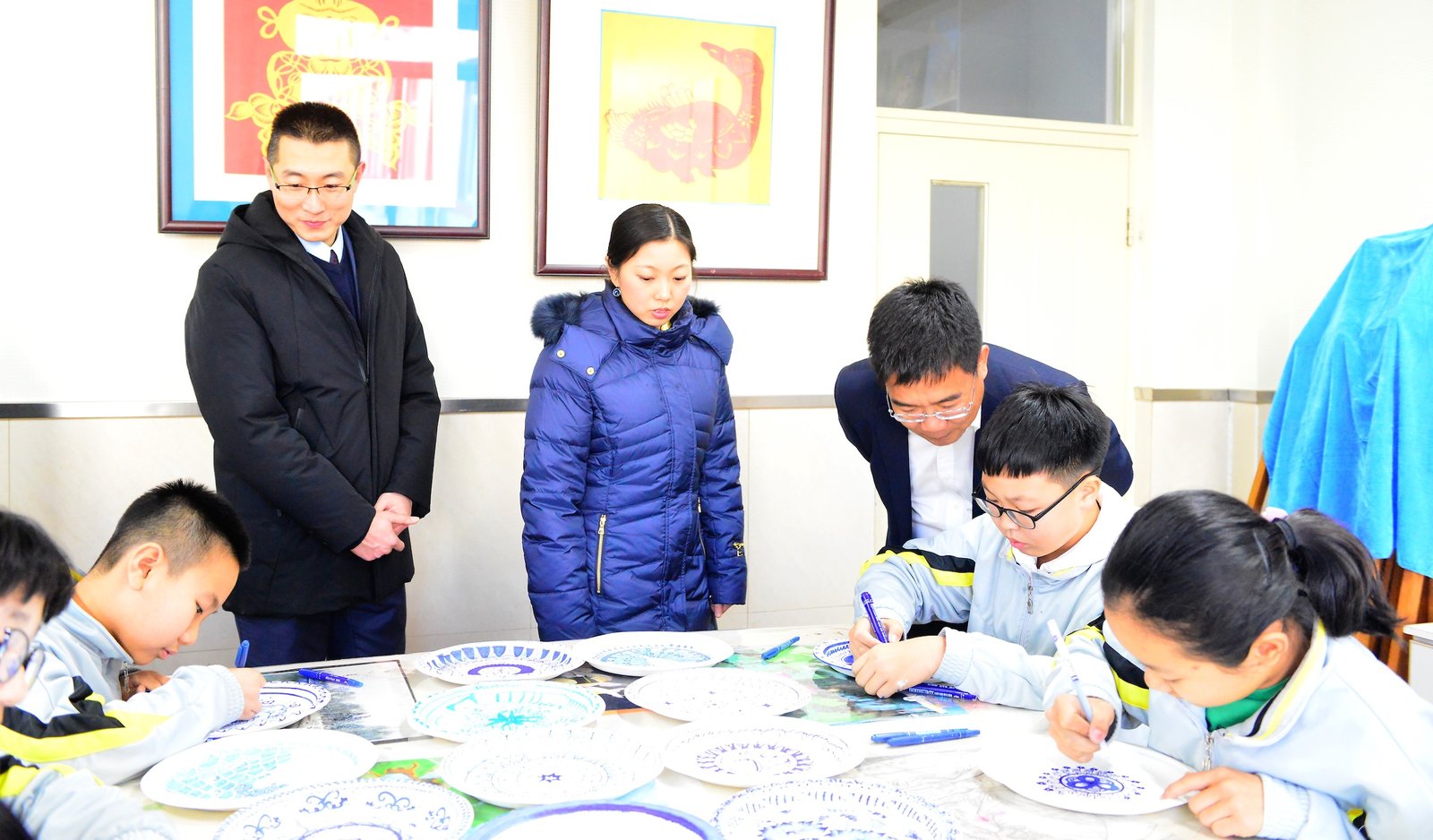
China has the largest education system in the world. On June 2019, there were 10.31 million students taking the National Higher Education Entrance Examination (Gao Kao) in China. Investment in education accounts for about 4% of total GDP in China. In 1986, the Chinese government passed a compulsory education law, making nine years of education mandatory for all Chinese children. Today, the Ministry of Education estimates that above 99 percent of the school-age children have received universal nine-year basic education.
On April 2019, Ministry of Education of the People’s Republic of China announced a total of 492,185 international students were studying in China in 2018. International students have enrolled in over 1004 higher education institutions in China. China has a long history of providing education to international students studying in high schools and universities in China. Over the past few years, the number of international students who study abroad in China has significantly increased every year.
The higher education sector has growth as well. China has increased the proportion of its college-age population in higher education to over 20 percent now from 1.4 percent in 1978. At the same time, China is improving the quality of education through a major effort at school curriculum reform.
China has a consistent teacher development system. Teaching has historically been and remains today a highly respected profession in China. Teachers have strong preparation in their subject matter and prospective teachers spend a great deal of time observing the classrooms of experienced teachers, often in schools attached to their universities. Once teachers are employed in school, there is a system of induction and continuous professional development in which groups of teachers work together with master teachers on lesson plans and improvement.
History of Education in China
Many Chinese scholars believe the history of education in China can be traced back at as far as the 16th century BC. Throughout this period of time, education was the privilege of the elites. Confucianism probably is the biggest influence in history of education in China.
Project 211 and 985
Project 211 is the Chinese government’s new endeavor aimed at strengthening about 100 universities and key disciplinary areas as a national priority for the 21st century. Project 985 is a constructive project for founding world-class universities in the 21st century.
Education Law of the People’s Republic of China
Adopted at the third session of the eighth National People’s Congress, promulgated by Order No.45 of the President of the People’s Republic of China on March 18, 1995 and effective as of September 1, 1995.
Nine-Year Compulsory Education in China
Nine-year compulsory education policy in China enables students over six years old nationwide to have free education at both primary schools (grade 1 to 6) and junior secondary schools (grade 7 to 9). The policy is funded by government, tuition is free. Schools still charge miscellaneous fees. Senior secondary school (grade 10 to 12) and college education are not compulsory and free in China.